



Updated November 30, 2025
Multi-table tournaments are rocking the poker world. Single-day grind fests, week-long series, international poker festivals... pick your poison.
There's an MTT for every bankroll and every schedule.
The question is: what do the pros know that everyone else doesn't? We sat down with some of the best tournament players to get their pro poker tips on what works.
H2: Why MTTs Are So Popular
MTTs work for everyone, whether you're grinding $10 tournaments or taking shots at high rollers. The structure means you're not going broke on one bad beat - you've got time to build a stack and make moves.
And the potential upside? A $10 buy-in can turn into five figures if you run deep enough.
Plus, poker festivals have gotten way more accessible. You're not stuck flying to Vegas anymore because there are affordable events in places like Barcelona and London where you'd actually want to spend a week anyway.
The WSOP Main Event tells the story: after years of shrinking fields, 7,221 players showed up in 2017. Since then?
The record keeps getting smashed, and the 2025 WSOP Main Event saw 9,735 entries. Live poker is bigger than ever!
Meet the MTT Champions
Dominik Nitsche won his first WSOP bracelet in 2012 at just 21, and two years later, he became the youngest player ever to win three bracelets, breaking Phil Ivey's record. In 2017, he scored €3.5 million, taking down the €111,111 High Roller for One Drop at WSOPE, his fourth bracelet and probably his sweetest win.
Martin Jacobson won the 2014 WSOP Main Event. He beat 6,628 other players and took home $10 million. That put him at the top of Sweden's all-time tournament money list, where he still sits today.
Chris Moorman? The guy's an online Texas Holdem legend. All-time tournament earnings record and 26 triple crowns. His first WSOP bracelet came in 2017 when he won the $3K 6-max against 959 players for close to $500K. He's added a second bracelet since then.
The Rise of Live Poker Tournaments
Poker festivals have reshaped the tournament landscape. Operators like 888poker have established multi-day events in destinations players actually want to visit.
These festivals typically feature the following tournaments:
- Opening Events (€200-€330 buy-ins)
- Main Events (€550-€1,650 buy-ins)
- High Rollers (€1,100-€2,200 buy-ins)
- Mixed formats: 6-max, turbos, Omaha, and more
Most festival Main Events share similar structures: 25-30K starting stacks, 40-60 minute levels, 2-3 starting flights, one re-entry per flight, and 500+ entries, creating prize pools ranging from €300K to €1M and giving everyone a realistic shot at life-changing money.
In May 2022, Ian Simpson, with over $1.2 million in career earnings, joined the 888poker team as an ambassador, representing the brand at live events worldwide.
As of 2024, no team ambassador had ever won an 888poker Live Main Event. That all changed in January 2025 when he took down the Madrid Main Event for €62,000.
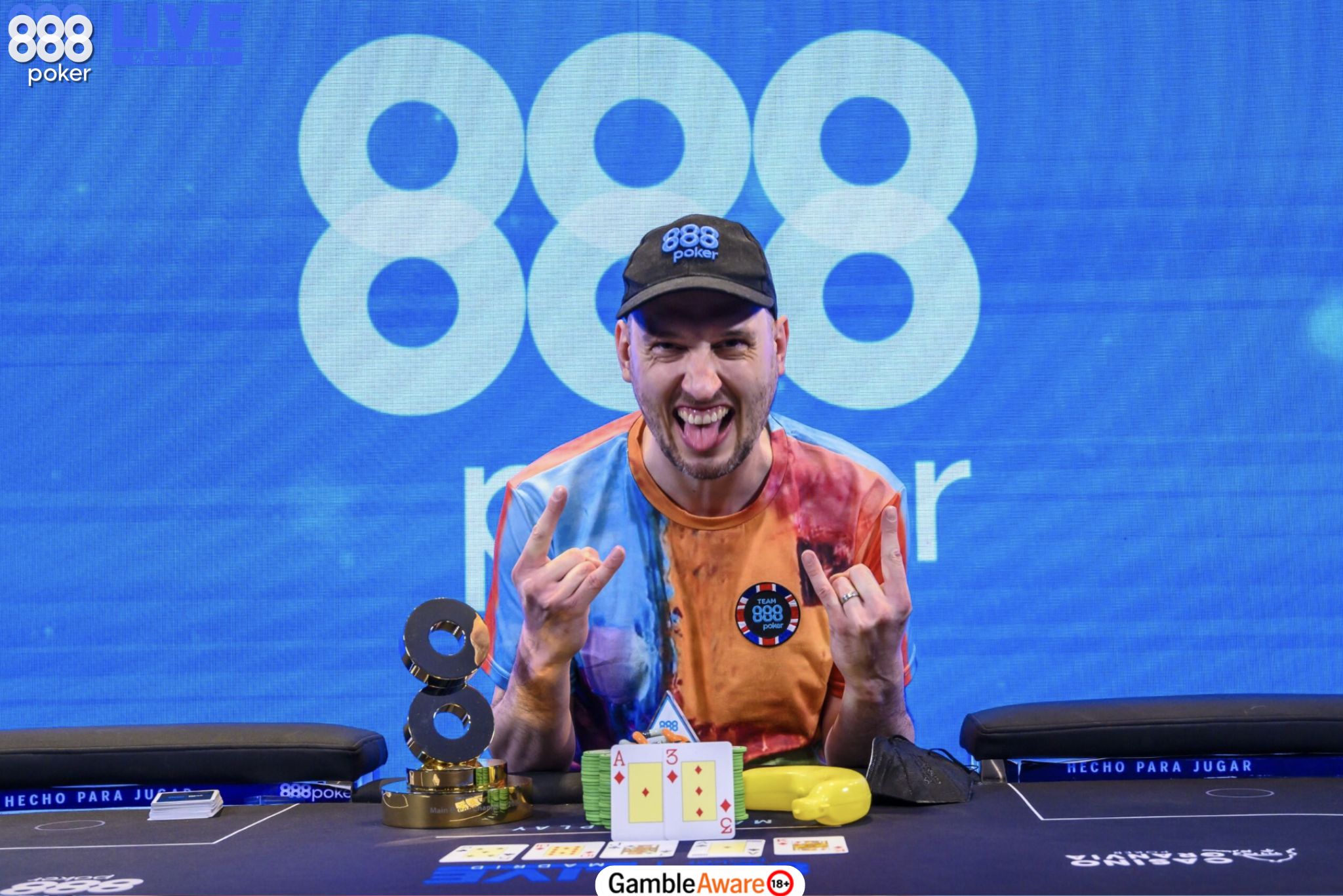
He had this to say about his memorable tournament win:
“I don’t have words. It’s the best. I’ve always wanted to run deep in a Main Event, and then when it’s like final 20, you’re like, okay, maybe I’ll final table. Then it’s like final 13 or 14, and you’re like, I’m really hoping I don’t get like ninth, 11th.
“Then you get to the final table, and you’ve got the chip lead. It’s a lot of emotions, and they’re all good ones.”
15 Expert MTT Poker Strategy Tips
Here are fifteen of the top multi-table tournament tips the best poker players of all time swear by:
General Tips
1. Play more hands early. Suited connectors are worth more versus off-suit broadway cards. There's more value in making straights and flushes when stacks are deep.
2. Show up on time. Weak players haemorrhage chips early when blinds are low. Don't miss your chance to collect. Additionally, some tournaments award extra chips to players who arrive in the first few levels. Make sure you read the structure.
3. See flops with pocket pairs. Small pairs have massive, implied odds for hitting sets when stacks are deep. Later in tournaments, they're often standard folds.
Tells and Reads
4. Adjust to opponents correctly. Balance is key. Don't over-adjust or under-adjust. Just because an unknown opponent takes a strong line doesn't mean you should fold the second nuts. Save hero folds for when you have solid reads.
5. Watch hands even when you're not involved. Try to determine if opponents are weak or strong, then check your read at showdown. People give away tons of information if you pay attention. Skip the headphones.
6. They talk; they want a call. If someone starts chatting while you're thinking, they usually want you to call.
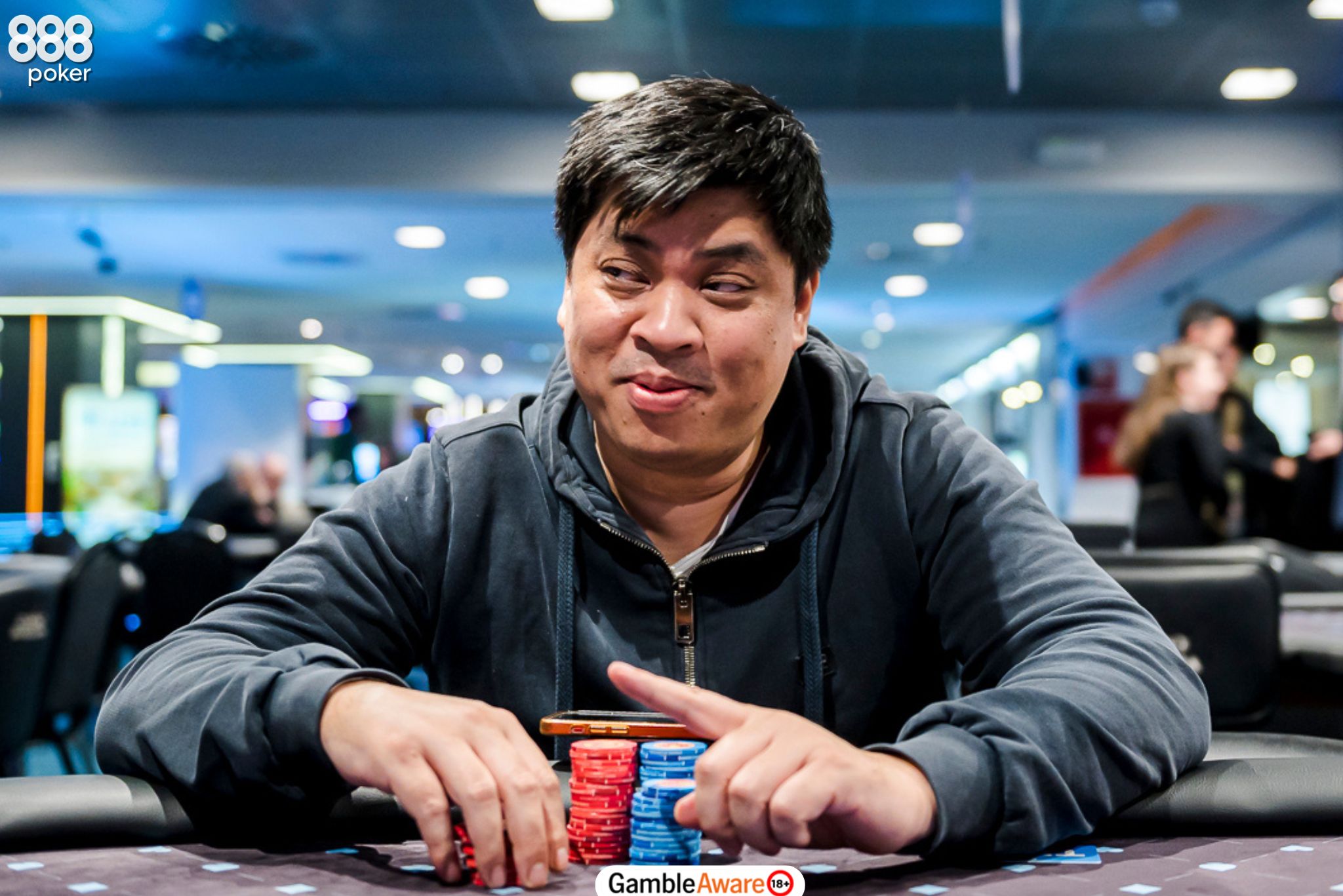
7. Learn the classic live tells. "Strong means weak, weak means strong." On the river, if a villain checks after reaching for chips or glancing at their stack, they're always weak. It’s one of the oldest tells in the book, and it prints money against recreational players.
8. Gather information through conversation. Players voluntarily reveal useful info. "This is my first tournament" is gold! Now you know they're inexperienced).
9. Reads are often polarised. Most tells indicate either very strong or very weak hands. Don't call someone just because their hands were shaking (usually a sign of strength) unless you're certain after multiple showdowns.
GTO Poker and Strategy Tips
10. Master push-fold charts. Knowing optimal shove ranges is underrated. You'll often play for hours short-stacked, so making zero mistakes at shallow depths is a massive edge over less-experienced players. Adjust based on opponents' calling frequencies.
11. Map the final table dynamics. Look at stack sizes and where big stacks are seated before you sit down. Big stacks on your left? Open-fold marginal hands because they'll 3-bet relentlessly with ICM pressure.
12. Defend your big blind tighter late. Against big stacks in late stages, defend slightly tighter than in mid-tournament. Big stacks can apply more post-flop pressure, making it harder to realise your equity.
13. Ladder up on the bubble. Be incredibly careful not to bust before the short stack at final tables. You're literally throwing money away. Marginal hands become much trickier, so fold them and ladder up at least one spot.
14. Don't deal until three-handed. Unless you're playing above your bankroll, wait until you're three-handed to discuss deals. The pay jumps are worth playing for.
15. Counter-exploit the table. If everyone's playing tight, open up and play aggressively. If your opponents are loose, tighten up. Always play the opposite of the table dynamic.
2025 MTT Trends: What's Changed
Tournament poker continues evolving. Streaming platforms like PokerGO have made high-level play accessible to everyone, raising the baseline skill level.
More players study solver outputs and GTO poker ranges, making lower stakes more competitive.
However, live festivals still attract softer fields than their online equivalents.
The combination of travel costs and recreational players who prefer the live experience means MTTs at poker festivals remain excellent value for skilled players.
AI tools for poker hand analysis have become mainstream. Smart players are using solvers and AI hand reviewers between sessions to find leaks and adjust their ranges. It's basically an arms race at this point.
Final Thoughts: Applying Pro Poker Tips
Solid poker tournament strategy involves the following:
- Reading the table
- Adjusting constantly
- Staying patient when necessary
Don't try to memorise every tip on this list. Pick a few that make sense for your game, practice them. Pay attention to what's happening at your table, and you’ll see results in no time.
- Build chips early when you can play speculative hands.
- Tighten up on bubbles and respect ICM.
- Stay one step ahead.
MTT Poker Strategy FAQ
Test yourself and then test these strategies and see how deep you can run!
What is the best poker tournament strategy?
Your strategy needs to shift constantly. Deep stacks early? Play hands that can make big combinations, like suited connectors or small pairs.
You want to build chips when it's cheap to see flops. But as the tournament goes on and stacks get shorter, especially near the bubble, you've got to play tighter. ICM means every chip you lose hurts more than every chip you win.

How do I adjust to ICM pressure at the final table?
ICM (Independent Chip Model) pressure changes everything at final tables. If big stacks are on your left, fold marginal hands you'd normally open because they can 3-bet you relentlessly. Avoid busting before short stacks, because each ladder up is significant money.
Defend your big blind tighter against big stacks who can pressure you, post-flop. With a medium stack, prioritise survival over accumulation until shorter stacks bust.
What are common mistakes in multi-table tournaments?
The biggest mistakes include the following:
- Arriving late and missing soft early levels.
- Overvaluing broadway hands in deep-stacked play.
- Not adjusting to opponents (either over-adjusting or not adjusting at all).
- Making deals too early before three-handed.
- Trying to play too many hands with big stacks on your left at final tables.
Many players also don't master push-fold charts, leading to costly errors in short-stack situations that occur frequently in tournaments.
